Discovering Kanazawa: A Journey Through the Kaga-Honda Museum
Updated: Aug 11
Kanazawa is famous for Kenrokuen Garden, traditional teahouses, gold leaf, and beautifully preserved samurai districts. Yet, travelers who want to understand how Kanazawa became one of Japan’s great cultural cities should also visit the Kaga-Honda Museum. This hidden gem offers a unique glimpse into the rich history of the Kaga-Honda family, one of the most powerful samurai families in the Kaga Domain.
Located in the cultural district beside the Ishikawa Prefectural Museum of History, the museum preserves treasures passed down through the Kaga-Honda family. Its collection includes armor, helmets, swords, spears, horse equipment, paintings, calligraphy, lacquerware, documents, and objects received from the ruling Maeda family. Together, these items reveal that the samurai were not only warriors; they were also administrators, political negotiators, patrons of the arts, and guardians of family prestige.
For travelers from Europe, North America, and Australia looking for a quieter and more meaningful cultural experience in Kanazawa, the Kaga-Honda Museum is an excellent addition to the itinerary.
Table of Contents
What Is the Kaga-Honda Museum?
Who Were the Kaga-Honda Family?
Why Was Honda Masashige Important?
What Can You See at the Museum?
The Story of the Murasame Tea Jar
What the Museum Reveals About Samurai Life
Why the Museum Is Worth Visiting
Attractions Near the Kaga-Honda Museum
Practical Visitor Information
10. Frequently Asked Questions
1. What is the Kaga-Honda Museum?
The Kaga-Honda Museum is dedicated to the history and cultural legacy of the Kaga-Honda family. This family served the Maeda lords, who governed the wealthy Kaga Domain during the Edo period. The Honda family held a stipend of 50,000 koku and occupied an exceptionally high position among the senior retainers of the domain.
The museum’s collection consists mainly of objects preserved within the family for generations. This makes it different from a general history museum. Visitors are not simply looking at objects collected from unrelated sources; they are exploring the surviving material heritage of one influential samurai household. The displays introduce military equipment, ceremonial items, horse gear, personal possessions, historical documents, and fine artworks. These objects help visitors understand the political authority, wealth, and cultural refinement associated with elite samurai families.

2. Who Were the Kaga-Honda Family?
The Kaga-Honda family was founded by Honda Masashige, the second son of Honda Masanobu, a close adviser to Tokugawa Ieyasu. After serving several lords during a turbulent period of Japanese history, Masashige eventually entered the service of Maeda Toshinaga, the second lord of the Kaga Domain. He became an important senior retainer and played a significant role in the relationship between the Maeda family and the Tokugawa shogunate.
This political role was especially important because the Maeda family governed one of the richest domains in Japan. Maintaining a stable relationship with the shogunate required diplomatic judgment as well as military strength. The history of Honda Masashige provides a useful perspective on the samurai. Success in the Edo period depended not only on fighting skills but also on negotiation, loyalty, administration, and the ability to survive complex political changes.
3. Why Was Honda Masashige Important?
Honda Masashige lived during the transition from the age of civil war to the more stable Edo period. He is remembered as a capable military commander and political figure who helped support the Maeda administration. His career illustrates how the role of the samurai changed as Japan moved from warfare toward long-term governance.
At the Kaga-Honda Museum, visitors can connect this broader history with actual objects inherited by his descendants. Armor, weapons, and battle equipment represent the military identity of the family. Official documents and gifts from the Maeda lords reflect its political status. Tea utensils, paintings, and decorative arts show the cultural world in which elite samurai lived. The result is a more complete picture of samurai society than visitors may receive from popular films or entertainment.
4. What Can You See at the Kaga-Honda Museum?
The museum preserves armor and helmets associated with successive generations of the Honda family. Japanese armor was designed for protection, but it also communicated identity, rank, and authority. Helmets could feature distinctive shapes and crests so that a warrior could be recognized on the battlefield. Visitors can appreciate the combination of ironwork, lacquer, leather, textiles, and decorative craftsmanship used to create these objects.
The collection includes swords, spears, and other weapons inherited by the family. These objects were practical tools of war, but they were also symbols of samurai status. Their fittings and decoration often reflected the wealth and aesthetic preferences of their owners.
One of the museum’s most distinctive strengths is its collection of horse equipment. The official museum describes its holdings as being centered on military formation equipment, including complete horse harnesses and horse-related gear. The horse harness collection is considered particularly important. For high-ranking samurai, horses were closely connected to military command, ceremony, and social rank. The equipment displayed at the museum helps visitors imagine how elite warriors presented themselves during processions and military activities.
The museum also displays paintings, calligraphy, lacquerware, and other artistic objects. These works reveal the cultivated side of samurai life. High-ranking warriors studied literature, practiced calligraphy, participated in tea culture, and supported skilled craftspeople. This combination of military authority and cultural refinement is central to understanding Kanazawa.
Documents preserved by the Honda family provide evidence of its role in the government of the Kaga Domain. The collection also includes objects presented by the Maeda family. Such gifts were not merely decorative; they could express loyalty, reward service, strengthen political relationships, and confirm social status.
5. The Story of the Murasame Tea Jar
One of the most celebrated treasures in the museum is the Murasame tea jar, known in Japanese as Murasame no Tsubo. The jar was given to Honda Masashige by the lord of the domain in recognition of his contribution to resolving an important territorial matter. It became one of the greatest treasures of the Kaga-Honda family and is designated a cultural property of Ishikawa Prefecture.
The object is often described as a jar of remarkable value because of the historical story attached to it. Its importance does not come only from its material or appearance. It represents trust between lord and retainer, political achievement, and the prestige of tea culture in samurai society. The jar also demonstrates how an object could gain extraordinary meaning through ownership, ceremony, and historical memory. Because displays may rotate, travelers who especially wish to see the Murasame tea jar should check the museum’s current exhibition information before visiting.
6. What Does the Museum Reveal About Samurai Life?
The Kaga-Honda Museum challenges the simplified image of the samurai as a warrior carrying a sword. Its collection shows that elite samurai families had several overlapping responsibilities. They prepared for military service, managed territory, advised their lords, maintained political relationships, and protected the reputation of their family. They also participated in tea culture, painting, calligraphy, craftsmanship, and formal ceremonies.
In Kanazawa, the ruling Maeda family deliberately supported culture and craftsmanship. Senior retainers such as the Honda family were part of this environment. The museum therefore helps explain why Kanazawa became known not only as a castle town but also as a center of traditional arts.
7. Why is the Kaga-Honda Museum Worth Visiting?
Many of the objects were preserved by one samurai family over several centuries. This gives the museum a strong sense of continuity and authenticity. The displays introduce military equipment together with art, documents, tea culture, and ceremonial objects. Visitors can understand the samurai as political and cultural leaders, rather than simply as fighters.
The museum is generally quieter than Kenrokuen Garden or Kanazawa Castle Park. It is particularly suitable for travelers who prefer small museums, focused collections, and time to examine objects carefully. A visit helps travelers understand the hierarchy of the Kaga Domain and the people who supported the Maeda lords. This background makes later visits to Kanazawa Castle, the Nagamachi Samurai District, and other historical sites more meaningful.
8. Attractions Near the Kaga-Honda Museum
The museum is located in one of Kanazawa’s richest cultural areas and can easily be included in a half-day or full-day itinerary.
Ishikawa Prefectural Museum of History
The adjacent history museum provides a broader introduction to the history of Ishikawa Prefecture. Visiting both museums allows travelers to move from the story of one powerful samurai family to the wider history of the region.
National Crafts Museum
The National Crafts Museum introduces modern and contemporary Japanese craft. It is an excellent complement to the Kaga-Honda Museum because visitors can compare historical samurai patronage with the continuing evolution of Japanese craftsmanship.
Kenrokuen Garden
One of Japan’s most celebrated landscape gardens is within walking distance. The garden reflects the wealth, taste, and political authority of the Maeda lords.
Kanazawa Castle Park
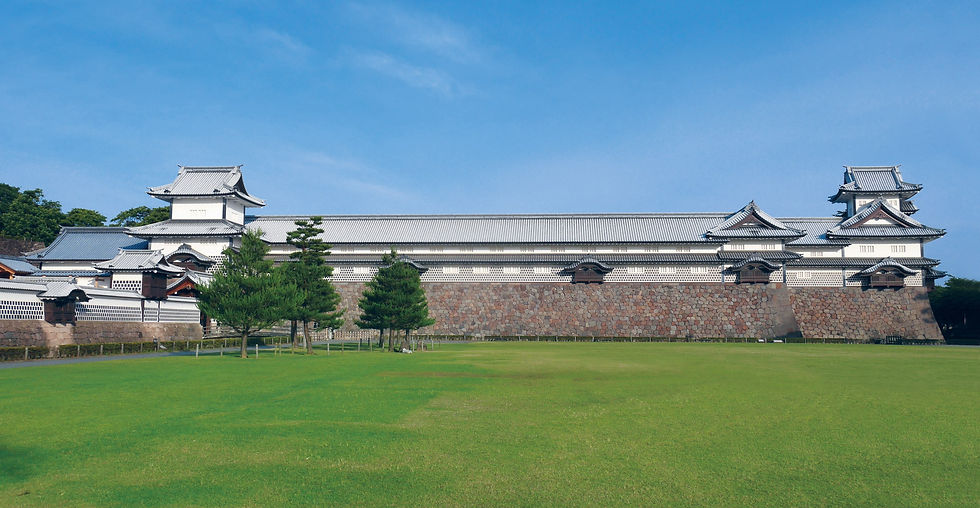
Kanazawa Castle was the administrative and political center of the Kaga Domain. After learning about the Honda family, visitors can better understand the network of senior retainers who supported the rulers of the castle.
Seisonkaku Villa
This elegant villa was built by a Maeda lord for his mother. Its architecture and interiors reveal the sophisticated lifestyle of the ruling family.
D.T. Suzuki Museum
The D.T. Suzuki Museum offers a calm, modern space inspired by the life and thought of the Zen philosopher Daisetz Suzuki. It provides an interesting contrast to the historical objects of the Kaga-Honda Museum.

Suggested Half-Day Cultural Itinerary
A well-planned route could include:
Kaga-Honda Museum
Ishikawa Prefectural Museum of History
National Crafts Museum
Kenrokuen Garden
Kanazawa Castle Park
This itinerary connects samurai history, regional history, traditional craftsmanship, garden design, and feudal architecture. Travelers with limited time may visit the Kaga-Honda Museum before or after Kenrokuen Garden.
9. Practical Visitor Information
The Kaga-Honda Museum is located in Dewamachi, Kanazawa, within the Ishikawa Red Brick Museum complex. Most visitors should allow approximately 45 to 60 minutes for their visit. The official museum website currently lists admission at 400 yen for adults and 300 yen for university students. High-school students and younger visitors are admitted free of charge. Combination tickets with the Ishikawa Prefectural Museum of History may also be available.
Opening days, temporary closures, and displayed objects may change because of exhibition rotations or maintenance. Check the official museum website before visiting.
10. Frequently Asked Questions
What is the Kaga-Honda Museum?
The Kaga-Honda Museum preserves armor, weapons, horse equipment, artworks, documents, and family treasures inherited by the Kaga-Honda family, one of the most important senior-retainer families of the Kaga Domain.
Who was Honda Masashige?
Honda Masashige was the founder of the Kaga-Honda family and the son of Honda Masanobu, an adviser to Tokugawa Ieyasu. He later became a leading retainer of the Maeda family in Kanazawa.
What is the museum famous for?
The museum is known for its samurai armor, weapons, horse equipment, historical documents, and the Murasame tea jar, one of the family’s most important treasures.
Is the Kaga-Honda Museum worth visiting?
Yes. It is especially worthwhile for travelers interested in samurai history, Japanese craftsmanship, tea culture, and the political history of Kanazawa.
How long should I spend at the museum?
Most visitors should allow between 45 and 60 minutes. History enthusiasts may wish to stay longer.
Is the museum suitable for families?
Yes. Armor, helmets, and horse equipment can be especially engaging for children and teenagers interested in samurai culture.
Are all treasures always on display?
No. Exhibits may change to protect fragile objects and introduce different parts of the collection. Check the official website for current exhibition details.
Is the museum close to Kenrokuen Garden?
Yes. It is located within walking distance of Kenrokuen Garden, Kanazawa Castle Park, and several major museums.
Experience Kanazawa’s Samurai Heritage More Deeply. The Kaga-Honda Museum is not simply a collection of weapons. It tells the story of a family that helped govern one of Japan’s most powerful domains and participated in the cultural life that made Kanazawa distinctive. For independent visitors, the museum offers an intimate introduction to authentic samurai heritage. For travelers seeking deeper insight, a private guided visit can connect the objects inside the museum with the history of the Maeda family, Kanazawa Castle, and the wider development of the castle town. Understanding these relationships transforms armor, documents, and tea utensils from beautiful objects into evidence of political strategy, loyalty, and cultural ambition.