Kanazawa Cultural Experiences: Where Living Traditions Still Shape Daily Life

Introduction
Kanazawa is one of the rare cities in Japan where traditional culture is not preserved as a performance for visitors, but practiced as a way of daily life.
While many travelers searching for Japanese cultural experiences naturally think of Kyoto or Tokyo, Kanazawa offers something fundamentally different: continuity. Samurai ethics, craftsmanship, seasonal cuisine, and refined hospitality continue to shape how people live, work, and interact today.
For travelers looking for authentic cultural experiences in Kanazawa, this difference matters.
■ Table of Contents
What Makes Kanazawa Cultural Experiences Unique
A City Shaped by Samurai Culture
Living Traditions: Crafts, Tea, and Townhouses
Food Culture as a Cultural Experience
How Kanazawa Compares to Kyoto and Tokyo
Who Kanazawa Cultural Experiences Are Best For
1. What Makes Kanazawa Cultural Experiences Unique
Kanazawa’s cultural experiences stand apart because they are not reconstructions. Unlike many Japanese cities that underwent large-scale destruction during World War II, Kanazawa escaped major damage.
As a result, its cultural ecosystems—craft workshops, tea schools, local markets, and machiya townhouses—were never interrupted. Culture here did not need to be recreated for tourism. It simply evolved.
This uninterrupted continuity is the foundation of authentic Kanazawa cultural experiences.
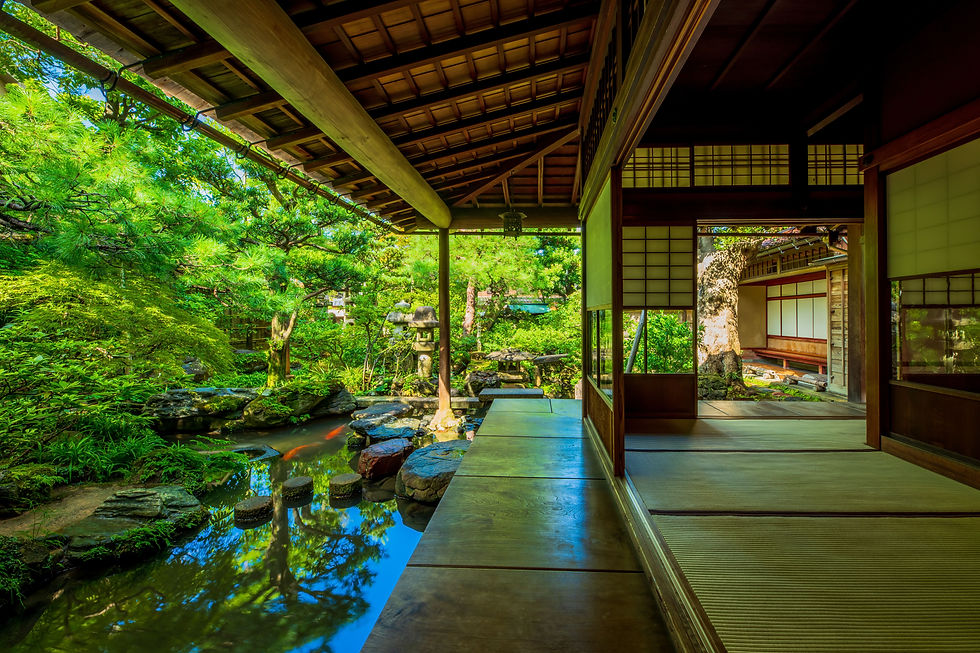
2. A City Shaped by Samurai Culture
Kanazawa was the center of the powerful Kaga Domain, ruled by the Maeda clan for over 280 years. Samurai culture here emphasized discipline, refinement, and cultural patronage rather than military expansion.
This legacy remains visible today in:
Urban layout and residential districts
Support for arts and craftsmanship
Social values rooted in humility and responsibility
Understanding samurai culture in Kanazawa helps visitors see why cultural practices remain deeply integrated into everyday life.

3. Living Traditions: Crafts, Tea, and Townhouses
Many traditional cultural experiences in Kanazawa take place in authentic settings rather than staged venues.
Visitors may:
Join a private tea ceremony in a machiya townhouse, learning not only ritual movements but the philosophy behind them
Participate in kintsugi workshops, where broken ceramics are repaired with lacquer and gold, reflecting Japanese values of imperfection and care
Explore preserved machiya townhouses, understanding how architecture supports seasonal living and community interaction
These experiences are led by practitioners who continue these traditions professionally, not performers hired for demonstrations.

4. Food Culture as a Cultural Experience in Kanazawa
Food is another essential part of Kanazawa’s cultural identity.
A visit to Omicho Market, for example, is not simply about tasting fresh seafood. It reveals:
Deep respect for seasonality
Long-term relationships between vendors and chefs
Cultural values attached to freshness, locality, and trust
Kanazawa food culture transforms everyday meals into meaningful cultural experiences.

5. Kanazawa vs Kyoto and Tokyo: A Cultural Comparison
Travelers often compare Kanazawa with Kyoto or Tokyo when planning cultural trips to Japan.
Kyoto offers iconic heritage and grand temples, but often with heavy crowds
Tokyo presents cultural contrast and innovation at scale
Kanazawa provides intimacy, continuity, and access to living traditions
For those seeking off-the-beaten-path cultural experiences in Japan, Kanazawa offers depth without spectacle.

6. Who Kanazawa Cultural Experiences Are Best For
Kanazawa cultural experiences are ideal for travelers who:
Value authenticity over checklist sightseeing
Seek meaningful interaction with local culture
Prefer small-group or private experiences
Are interested in crafts, food culture, and daily life traditions
Rather than consumption, Kanazawa offers connection.

Kanazawa is not a city that performs culture for visitors. It is a city that lives it.
For travelers searching for authentic Japanese cultural experiences, Kanazawa provides rare access to traditions that remain woven into everyday life—from samurai heritage and craftsmanship to food culture and hospitality.


