Ishikawa Prefectural Museum of History: The Best Place to Understand Kanazawa Before You Explore It
- 2 days ago
- 4 min read
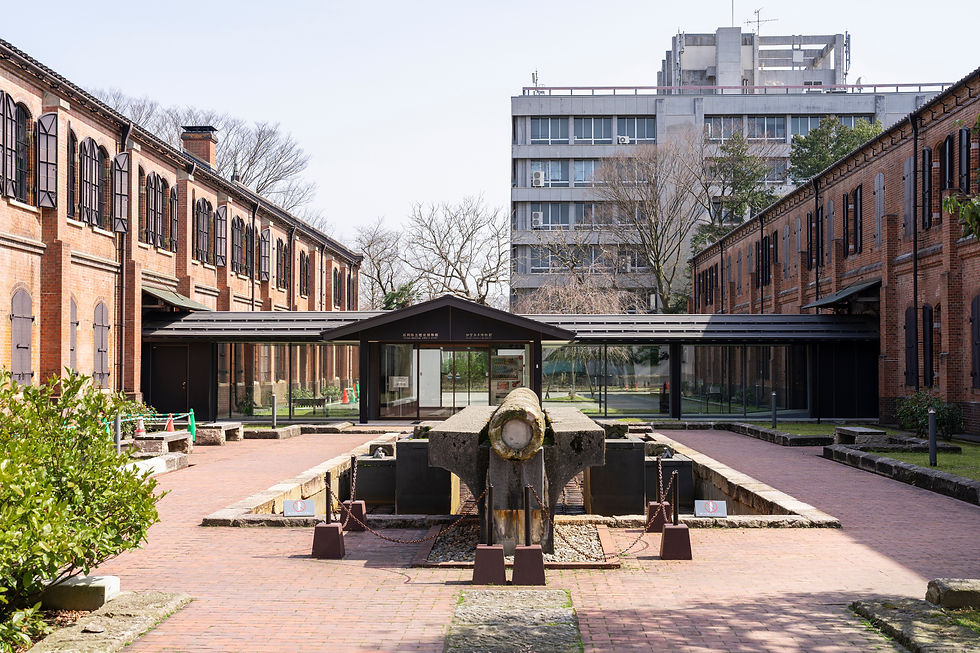
Table of Contents
1. Why Visit the Ishikawa Prefectural Museum of History?
Many visitors come to Kanazawa for its samurai districts, geisha culture, gardens, and traditional crafts. But few realize that understanding the city's history first makes every attraction even more meaningful.
The Ishikawa Prefectural Museum of History offers exactly that.
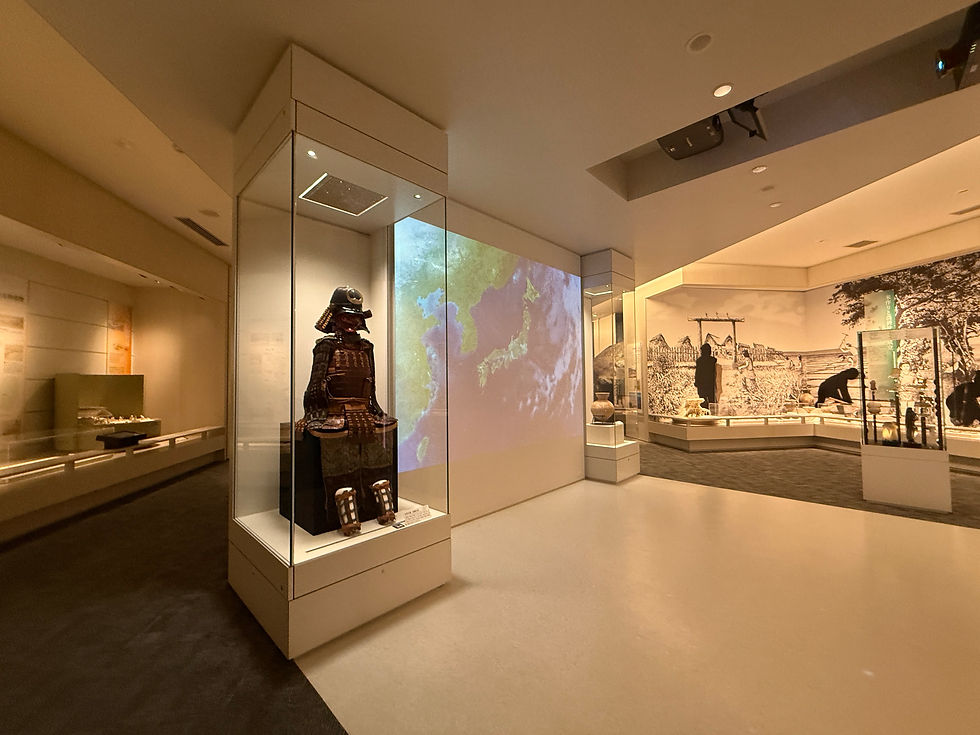
Rather than displaying isolated artifacts, the museum tells the complete story of Ishikawa—from prehistoric settlements to the powerful Kaga Domain, modern Japan, and the vibrant festivals that continue today. Permanent exhibitions combine authentic historical objects with large-scale models, videos, and interactive displays, making the history easy to understand even for first-time visitors.
If you only have time for one history museum in Kanazawa, this is an excellent choice.
2. Discover 15,000 Years of Ishikawa's History
The permanent exhibition is organized chronologically, allowing visitors to travel through thousands of years of regional history.
Prehistoric Ishikawa
Learn how the Jomon people lived among forests and the Sea of Japan, developing sophisticated pottery, lacquerware, hunting tools, and trade networks thousands of years before modern civilization.
Ancient Maritime Connections
Discover how Ishikawa became an important gateway connecting Japan with the Asian continent through maritime trade.
Samurai and Medieval Society
Understand the rise of samurai families, regional conflicts, and the political changes that shaped the Hokuriku region.
The Golden Age of the Kaga Domain
Perhaps the museum's most fascinating section explains why Kanazawa became one of Japan's greatest cultural cities.
Under the Maeda family, enormous wealth was invested not only in castles but also in:
Gold leaf production
Tea ceremony culture
Kutani porcelain
Kaga Yuzen silk dyeing
Noh theatre
Fine craftsmanship
This cultural investment continues to define Kanazawa today.
Modern Ishikawa
The final galleries introduce industrial development, modernization, and the evolution of contemporary Ishikawa.
3. Explore One of Kanazawa's Most Beautiful Historic Buildings
The museum itself is an attraction.
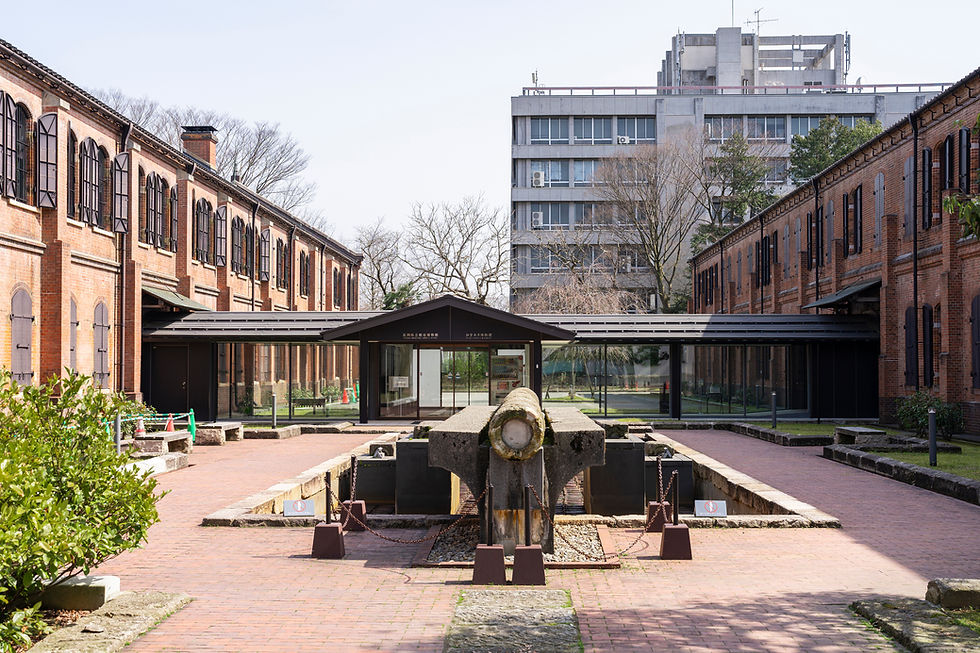
Its three striking red-brick buildings were originally constructed between 1909 and 1914 as military armories during the Meiji era.
Later they served as the campus of Kanazawa College of Art before being transformed into today's museum.
Today the buildings are designated Important Cultural Properties of Japan, carefully restored to preserve their original appearance while housing modern exhibition spaces. Their successful preservation has also received the Architectural Institute of Japan Award.
Photography enthusiasts especially enjoy visiting because the red-brick architecture looks beautiful in every season:
Spring cherry blossoms
Summer greenery
Autumn colors
Winter snow

4. Highlights You Shouldn't Miss
Free Multilingual Audio Guide
International visitors can enjoy complimentary audio guides in:
English
Japanese
Chinese
Korean
This makes the museum highly accessible for overseas travelers.
Festival Culture Gallery
Ishikawa's festivals are among Japan's most spectacular.
The museum introduces famous local traditions from both Kaga and Noto through authentic festival objects, costumes, and immersive displays.
If you're planning to attend local festivals, this gallery provides valuable cultural context.
Interactive Displays
Instead of relying solely on display cases, the museum uses:
Large projection screens
Scale models
Dioramas
Multimedia presentations
These features make complex historical topics easy to understand.
Photography-Friendly Permanent Exhibition
Unlike many museums in Japan, photography is allowed throughout most permanent exhibition galleries (with some restrictions), making it easy to document your visit.
5. Perfect Stop Before Visiting Kanazawa's Historic Districts
One of the museum's greatest advantages is its location.
After learning the historical background, you can easily continue exploring nearby attractions such as:
Kenrokuen Garden
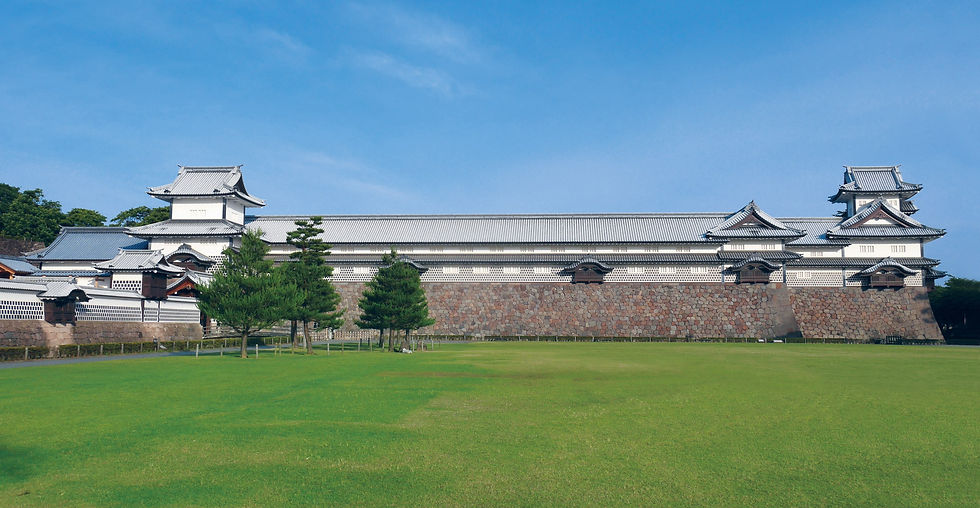
Kanazawa Castle Park
Nagamachi Samurai District
21st Century Museum of Contemporary Art
Seisonkaku Villa
You'll notice details that many tourists overlook because you'll understand the stories behind the architecture, culture, and traditions
6. Visitor Information
Location
Honda-no-Mori Park, Kanazawa
Opening Hours
9:00 AM – 5:00 PM (last admission 4:30 PM)
Languages
English audio guide available
Photography
Allowed in most permanent exhibitions
Recommended Visit
1.0–1.5 hours
Best For
History lovers, architecture enthusiasts, families, cultural travelers, first-time visitors to Kanazawa

7. Frequently Asked Questions
Is the Ishikawa Prefectural Museum of History worth visiting?
Yes. It provides an excellent introduction to Kanazawa and Ishikawa, making visits to nearby historical attractions much more rewarding.
Is there information in English?
Yes. Free English audio guides are available for the permanent exhibition.
How much time should I spend here?
Most visitors spend between 90 minutes and 2 hours.
Can I take photos?
Photography is permitted in most permanent exhibition galleries, although flash photography and some specific exhibits are prohibited.
Is it suitable for children?
Yes. Interactive displays, videos, and models make the museum engaging for families.
8. Experience Kanazawa Beyond the Museum
The Ishikawa Prefectural Museum of History is more than a museum—it is the perfect starting point for discovering Kanazawa.
After understanding the region's rich history, deepen your journey by experiencing the traditions that continue to thrive today:
Join a gold leaf workshop inspired by Kanazawa's famous craftsmanship.
Learn Kaga Yuzen silk dyeing from local artisans.
Participate in a traditional tea ceremony to experience the culture supported by the Maeda lords.
Explore samurai districts with a knowledgeable local guide who brings history to life.
Visit working craft studios where centuries-old techniques are still practiced.
These hands-on cultural experiences transform historical knowledge into unforgettable memories, allowing you to experience Kanazawa not only as a visitor but as a participant in its living heritage.