Discover Kanazawa Samurai Tours: Explore Samurai History in Kanazawa
Kanazawa is a city where history breathes through every street and garden. Among its many treasures, the samurai heritage stands out as a fascinating window into Japan’s past. Walking through Kanazawa, you can almost hear the footsteps of samurai warriors and feel the spirit of their disciplined lives. Today, I want to share with you how to explore this rich samurai history in Kanazawa, offering practical tips and insights to make your visit truly memorable.
Why Kanazawa Is a Perfect Place for Samurai History Tours
Kanazawa was once the seat of the Maeda clan, one of the most powerful samurai families during the Edo period. Unlike many other cities, Kanazawa’s samurai districts have been well preserved, allowing visitors to step back in time. The city’s samurai residences, narrow lanes, and traditional gardens create an authentic atmosphere that is hard to find elsewhere.
When you stroll through the Nagamachi Samurai District, you will see earthen walls, wooden gates, and stone-paved streets that tell stories of samurai life. These homes were not just residences but also symbols of status and power. Many of them have been converted into museums or cultural centers, where you can learn about samurai customs, armor, and daily routines.
Tips for visiting:
Wear comfortable shoes as the streets are often cobbled and uneven.
Visit early in the morning to avoid crowds and enjoy a peaceful walk.
Consider hiring a local guide to get detailed stories and historical context.

Highlights of Kanazawa Samurai Tours
When you join a samurai history tour kanazawa, you get more than just sightseeing. These tours are designed to immerse you in the samurai world through various experiences:
Nagamachi District Walk
Explore the well-preserved samurai quarter with its narrow lanes and historic houses. Some homes, like the Nomura-ke, are open to the public and showcase samurai artifacts and beautiful gardens.
Kenrokuen Garden
Although not exclusively samurai-related, this garden was developed by the Maeda clan and reflects the refined culture samurai valued. It’s a perfect spot to relax and imagine the peaceful moments samurai enjoyed.
Samurai Armor and Weapon Exhibits
Museums in Kanazawa display authentic samurai armor, swords, and other weapons. These exhibits help you understand the craftsmanship and significance of samurai gear.
Cultural Workshops
Some tours include hands-on experiences like trying on samurai armor replicas or learning traditional tea ceremony practices, which were important in samurai culture.
Practical advice:
Book your tour in advance, especially during peak seasons.
Check if the tour includes English-speaking guides if you prefer explanations in English.
Bring a camera to capture the unique architecture and artifacts.
Exploring Samurai Residences: A Step into the Past
One of the most captivating parts of Kanazawa samurai tours is visiting the samurai residences. These homes were built with both defense and comfort in mind. Thick walls, hidden doors, and strategic layouts reveal the samurai’s need for security, while elegant interiors and gardens show their appreciation for beauty and culture.
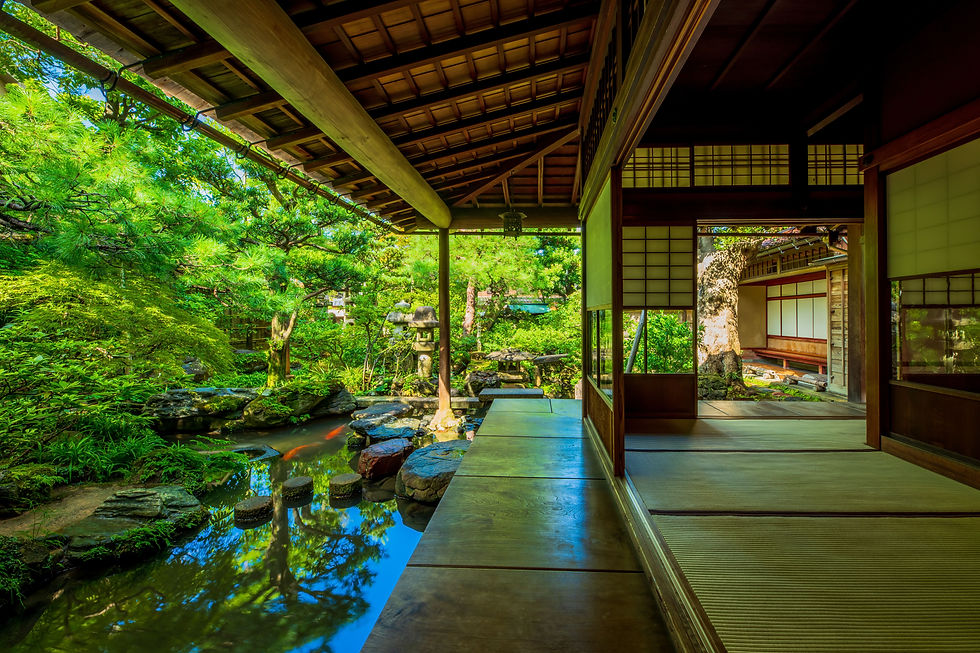
For example, the Nomura-ke residence is a must-see. It belonged to a high-ranking samurai family and has been restored to reflect the lifestyle of the Edo period. Walking through its rooms, you can see tatami mats, sliding doors, and traditional furnishings. The garden outside is a serene space designed for contemplation.
Another notable residence is the Senda Family Residence, a historic samurai house that offers a glimpse into the refined lifestyle and culture of Kanazawa’s samurai families during the Edo period. Its traditional architecture and interiors provide a rare opportunity to experience the atmosphere of samurai life beyond the battlefield.
How to make the most of your visit:
Take your time to observe details like the architecture and garden design.
Read the information panels or listen carefully to your guide’s stories.
Respect the quiet atmosphere to fully appreciate the historical ambiance.
How to Plan Your Samurai History Tour in Kanazawa
Planning a samurai history tour in Kanazawa can be simple and rewarding if you follow a few steps:
Choose the right time to visit: Spring and autumn offer pleasant weather and beautiful scenery, especially in the gardens.
Select a tour that fits your interests: Some tours focus on architecture, others on cultural experiences or historical storytelling.
Combine with other cultural sites: Kanazawa has many attractions like the 21st Century Museum of Contemporary Art and the Higashi Chaya District, which complement your samurai exploration.
Prepare for walking: Many samurai sites are best explored on foot, so dress comfortably and bring water.
If you want a deeper understanding, consider joining a guided samurai history tour kanazawa. Guides often share fascinating anecdotes and answer questions, enriching your experience.
Embracing the Spirit of Samurai in Modern Kanazawa
Even today, the spirit of the samurai lives on in Kanazawa’s culture. Local festivals, crafts, and cuisine often reflect samurai traditions. For example, you might find samurai-inspired sweets or watch performances of traditional arts like Noh theater, which samurai once patronized.
Visiting Kanazawa is not just about seeing old buildings; it’s about connecting with a way of life that valued honor, discipline, and beauty. By exploring the samurai history here, you gain insight into Japan’s cultural roots and the legacy that still influences the city.
If you have time, try to visit local shops selling samurai-themed souvenirs or attend workshops on calligraphy or sword polishing. These activities help you appreciate the craftsmanship and dedication that defined the samurai era.
Creating Lasting Memories of Kanazawa’s Samurai Heritage
Your journey through Kanazawa’s samurai history will leave you with unforgettable memories. Whether it’s the quiet streets of Nagamachi, the elegance of a samurai garden, or the thrill of seeing authentic armor, each moment connects you to a fascinating past.
To capture these memories, consider keeping a travel journal or sharing your experiences with friends. Photos, sketches, or even small souvenirs can remind you of the samurai spirit you encountered.
Above all, remember that Kanazawa’s samurai heritage is a living story. By visiting respectfully and with curiosity, you contribute to preserving this unique culture for future generations.
I hope this guide inspires you to explore Kanazawa’s samurai history with enthusiasm and care. It’s a journey that enriches your understanding of Japan and offers a truly special travel experience.
Happy travels and enjoy your samurai adventure in Kanazawa!