Immerse Yourself in Japan's Culinary Workshops: Interactive Cooking Classes Japan
- 8 hours ago
- 5 min read
When I first arrived in Kanazawa, I was eager to dive deep into the local culture. One of the best ways I found to truly connect with the city’s rich heritage was through its culinary workshops. Japan’s food culture is not just about eating; it’s about understanding the history, the art, and the spirit behind every dish. Participating in interactive cooking classes Japan offers is a wonderful way to experience this firsthand. These workshops are designed to be hands-on, engaging, and full of stories that bring the food to life.
Discovering Interactive Cooking Classes Japan
Interactive cooking classes Japan provide a unique opportunity to learn traditional Japanese cooking techniques directly from local chefs. Unlike just watching a cooking show or reading a recipe, these classes invite you to roll up your sleeves and create authentic dishes yourself. Whether it’s mastering the delicate art of sushi rolling or preparing a comforting bowl of miso soup, the experience is both educational and fun.
In Kanazawa, these classes often take place in cozy kitchens or traditional houses, giving you a glimpse into everyday life. The instructors are patient and passionate, eager to share not only recipes but also the cultural significance behind each ingredient and method. For example, you might learn how to select the freshest fish at the market or the importance of seasonal vegetables in Japanese cuisine.
If you want to find the best options, I recommend checking out local culinary classes japan. This resource helps you connect with authentic workshops that suit your interests and schedule.

The Joy of Hands-On Learning
One of the things I loved most about these workshops was the hands-on approach. Instead of passively watching, I was actively involved in every step. This made the learning process much more memorable. For instance, when making tempura, I learned how to prepare the batter just right so it’s light and crispy. The instructor explained how the temperature of the oil and the type of flour used can change the texture completely.
Moreover, these classes often include tasting sessions where you can compare different flavors and textures. This sensory experience helps deepen your appreciation for the subtle complexities of Japanese cuisine. You also get to ask questions and receive personalized tips, which is something you rarely get from cookbooks or videos.
The atmosphere is usually warm and welcoming, encouraging everyone to share their own cooking experiences and stories. This creates a sense of community, even if you are traveling alone.

What is the rule of 5 in Japanese food?
In Japanese cuisine, the "rule of 5" is a guiding principle that balances five key elements to create harmony in a meal. These elements are:
Color - A variety of colors on the plate makes the meal visually appealing and stimulates appetite.
Taste - The five basic tastes (sweet, sour, salty, bitter, and umami) should be balanced.
Cooking method - Different methods like grilling, steaming, frying, and boiling are combined to add texture and flavor variety.
Seasonality - Using seasonal ingredients ensures freshness and connects the meal to nature’s cycles.
Presentation - The arrangement of food on the plate reflects aesthetics and respect for the ingredients.
Understanding this rule helped me appreciate why Japanese dishes look and taste the way they do. It’s not just about flavor but also about creating a balanced and beautiful experience. During the workshops, instructors often emphasize this rule, showing how to apply it when preparing your own meals.
Exploring Kanazawa’s Culinary Heritage Through Workshops
Kanazawa is famous for its seafood, fresh vegetables, and traditional sweets. Participating in local culinary classes Japan offers here means you get to explore these specialties in depth. For example, you might learn how to prepare Kaga cuisine, which is unique to the region and highlights local ingredients like crab, yellowtail, and fresh greens.
One memorable class I attended focused on making wagashi, traditional Japanese sweets. The instructor explained the symbolism behind each sweet and how they are tied to seasonal festivals. Making wagashi requires patience and precision, but the result is a beautiful, delicate treat that tastes as good as it looks.
Another popular workshop involves preparing dashi, the essential broth that forms the base of many Japanese dishes. Learning how to make dashi from scratch using kombu (kelp) and katsuobushi (dried bonito flakes) was eye-opening. It made me realize how much care goes into even the simplest components of Japanese cooking.
Tips for Choosing the Right Culinary Workshop
If you’re planning to join a cooking class in Kanazawa or elsewhere in Japan, here are some tips to make the most of your experience:
Check the class size: Smaller groups often mean more personalized attention.
Look for classes taught by locals: This ensures authenticity and deeper cultural insights.
Consider your dietary preferences: Some classes can accommodate vegetarian or other dietary needs if you inform them in advance.
Read reviews: Past participants’ feedback can give you a good idea of what to expect.
Ask about the menu: Make sure the dishes you’ll learn interest you and match your skill level.
Booking in advance is usually a good idea, especially during peak travel seasons. Many workshops also offer private sessions if you prefer a more intimate setting.
Bringing the Taste of Japan Home
One of the best parts of attending these workshops is that you leave with more than just a full stomach. You gain skills and knowledge that allow you to recreate Japanese dishes at home. The instructors often provide recipe booklets and tips for sourcing ingredients outside Japan.
I found that practicing what I learned helped me stay connected to my trip long after I returned. Cooking Japanese meals became a way to relive the memories and share the culture with friends and family. Plus, it’s a fun challenge to master new techniques and flavors.
If you want to deepen your culinary journey, consider pairing cooking classes with visits to local markets or food festivals. This combination offers a full sensory experience and a better understanding of Japan’s food culture.
A Lasting Connection to Kanazawa’s Culture
Immersing yourself in Japan’s culinary workshops is more than just learning to cook. It’s about connecting with the heart of Kanazawa’s culture and traditions. These interactive cooking classes Japan offers create lasting memories and a deeper appreciation for the art of Japanese cuisine.
Whether you are a beginner or an experienced cook, these workshops welcome you to explore, ask questions, and enjoy the process. The warmth of the instructors and the beauty of the dishes make it a truly special experience.
If you want to experience Kanazawa in a meaningful way, I highly recommend joining one of these culinary workshops. It’s a delicious journey you won’t forget.
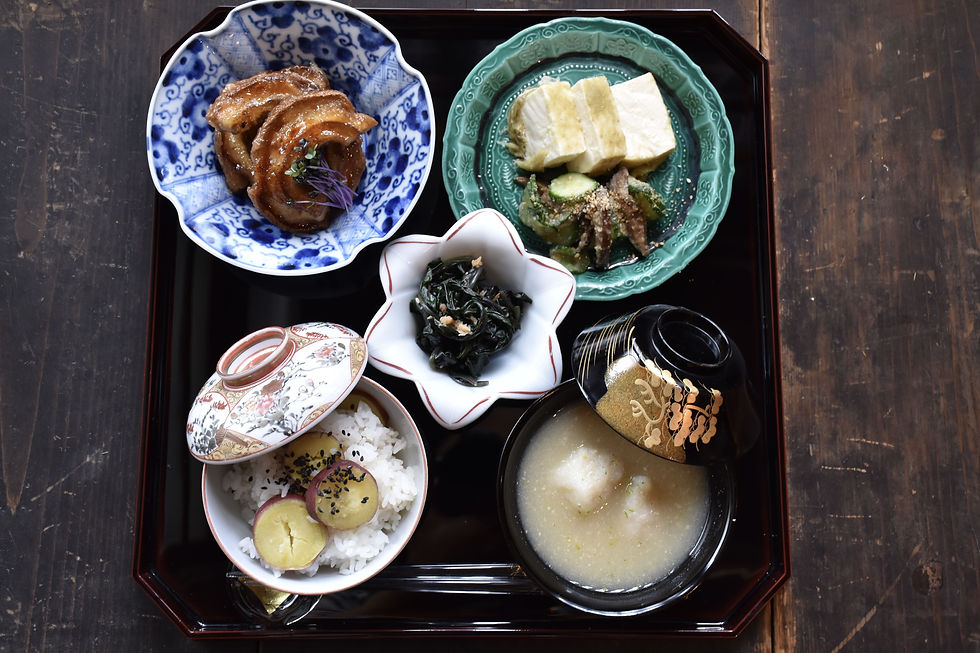
By embracing the hands-on experience of cooking in Japan, you open a door to understanding its culture on a deeper level. These workshops are a perfect way to create unforgettable memories while learning skills that last a lifetime. So why not take the plunge and immerse yourself in the flavors and stories of Kanazawa’s culinary world?


